
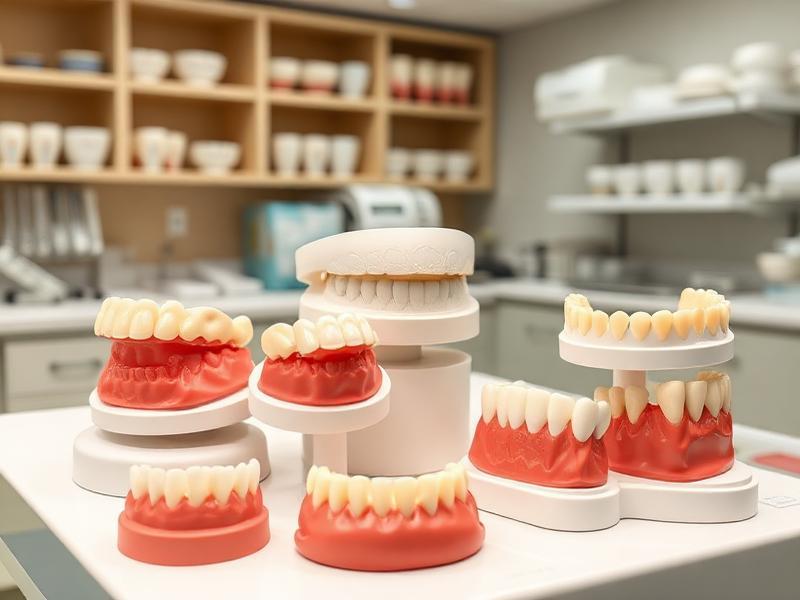
Dentures replace missing teeth and restore the shape of the face and the ability to chew. A partial denture fills gaps where some natural teeth remain; a complete denture replaces a full arch.
The difference between a denture that is worn every day and one that lives in a drawer is entirely in the fitting. That means proper impressions, a recorded bite, and a try-in stage where you see and approve the teeth before they are finished. Skipping stages to save a visit is why so many dentures end up unworn.
Types
- Complete dentures — for a full upper or lower arch with no remaining teeth
- Partial dentures — acrylic or cobalt-chrome, clipping onto the remaining natural teeth
- Immediate dentures — fitted the same day teeth are removed, so you are never without teeth
- Implant-retained overdentures — clip onto two or more implants; transformative for lower dentures, which are the ones that never stay in place
Getting used to them
The first two weeks are an adjustment. Expect increased saliva, some difficulty with certain sounds, and sore spots where the denture presses. Sore spots are normal and are fixed in a two-minute adjustment appointment — do not suffer through them, and do not adjust the denture yourself.
Start with soft food cut small, chew on both sides at once to keep the denture stable, and practise reading aloud to get speech back to normal quickly.
Care
- Clean over a basin of water so a drop does not crack it
- Brush daily with soap and a denture brush, not toothpaste — toothpaste is abrasive and scratches acrylic
- Leave them out overnight in water to let the gums recover
- Come for a check yearly: gums shrink over time and dentures need relining, usually every few years