
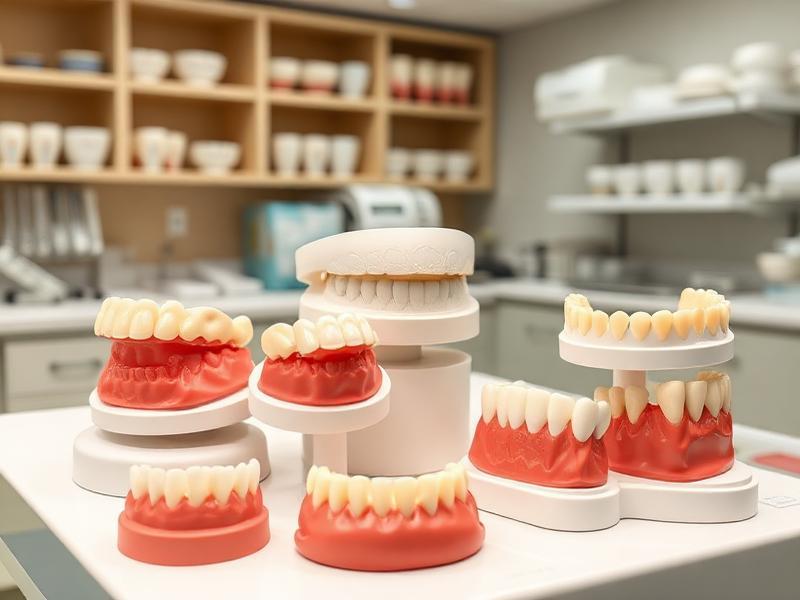
A crown — what most patients call a cap — covers a tooth completely, restoring its shape and protecting what remains. A bridge uses the teeth either side of a gap to carry a replacement tooth between them.
The most common reason we fit crowns is to protect root-treated back teeth. A molar that has had a root canal has lost its blood supply and its internal structure; without a crown it fractures, often beyond saving, and the root canal you paid for is wasted.
When you need a crown
- After a root canal on a back tooth — this is not optional if you want the tooth to last
- A tooth broken or cracked beyond what a filling can hold
- A tooth with a very large old filling and little natural structure left
- A badly discoloured or misshapen front tooth, for appearance
- On top of a dental implant
Materials
- Zirconia — very strong and tooth-coloured; our usual recommendation for back teeth
- Porcelain-fused-to-metal — strong and long-established, though a dark line can show at the gum over time
- All-ceramic — the most natural-looking, best for front teeth
- Metal — rarely requested now, but the most durable option of all for a back tooth
Bridge or implant?
A bridge is faster and cheaper, and it does not need surgery — but it means cutting down the two healthy teeth either side of the gap to carry it. An implant costs more and takes months, but leaves the neighbouring teeth untouched and preserves the bone.
If the teeth either side already need crowns, a bridge often makes sense. If they are healthy and untouched, an implant is usually the better long-term decision. We will lay out both for your specific gap.