
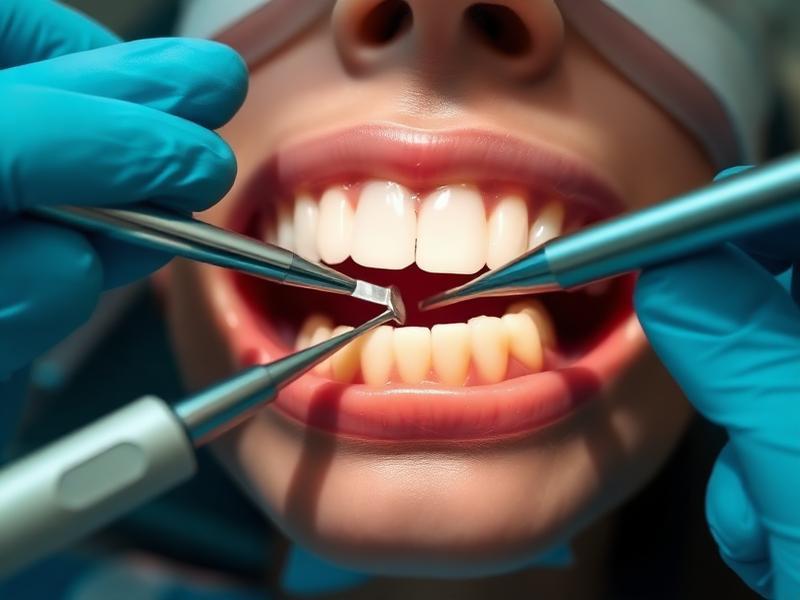
A filling removes decayed tooth structure and replaces it with a material that seals the tooth and restores its shape. Caught early, it is a short, straightforward appointment.
The reason we push people to come early is arithmetic. A small cavity is one visit and a modest fee. The same cavity left for a year becomes a root canal and a crown — several visits and many times the cost. Nothing about a cavity gets better on its own.
Materials
- Composite — tooth-coloured resin bonded to the tooth. Our default for almost every case; invisible and conserves more of the natural tooth.
- Glass ionomer — releases fluoride, useful for children's teeth and near the gum line
- Inlays and onlays — laboratory-made restorations for cavities too large for a direct filling but not large enough to need a full crown
How to know you have a cavity
Often you cannot — decay is painless until it reaches the nerve, which is exactly why check-ups exist. When symptoms do appear, they are usually sensitivity to sweet or cold, food consistently packing between two teeth, a rough edge your tongue keeps finding, or a visible dark spot or hole.
By the time a tooth aches on its own, decay has usually reached the nerve and a filling alone will no longer solve it.